


Stick Tuber: Punch Fight Dance
3.2327.00 Reviews
App Specs
- Version
- 3.7
- Updated On
- License
- Free
- Downloads
- 5,000,000+
- Developer
- BEAG Global
- Categories
- Music
- Platform
- Android, iOS
Screenshots
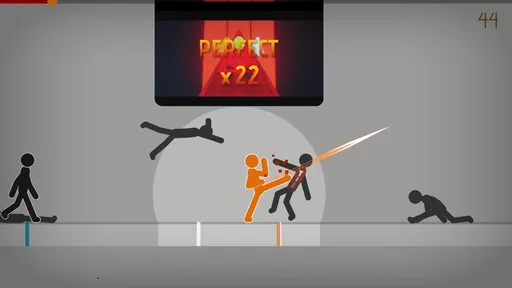

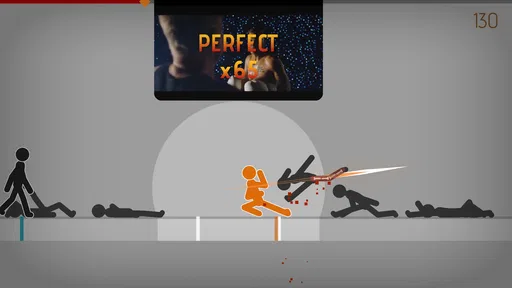
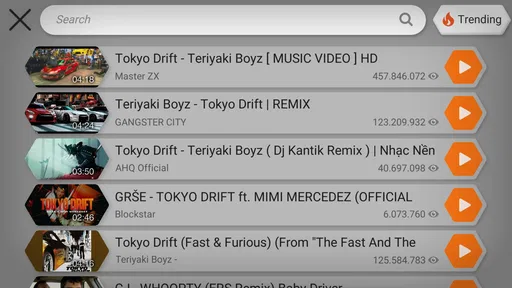
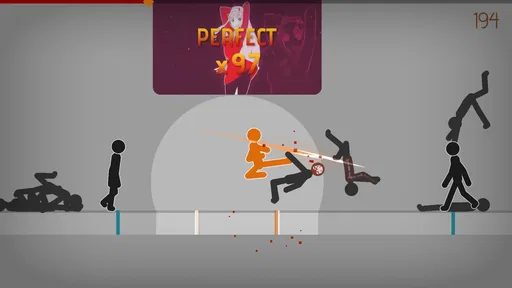
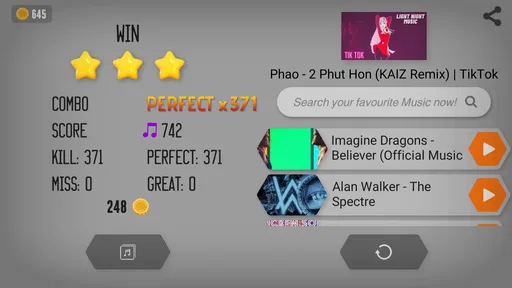
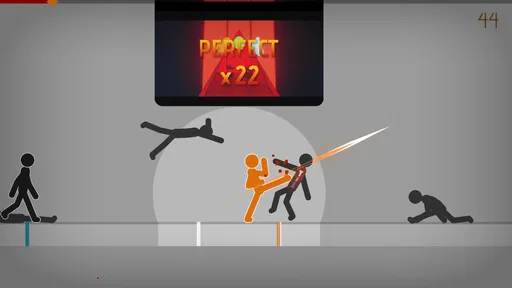

 Analysis by AppCompare
I tend to give rhythm games a short trial before deciding whether they deserve space on my phone. The first few sessions can be carried by novelty alone; the harder question is whether I still want to return once the surprise wears off. Stick Tuber: Punch Fight Dance makes a lively first impression by putting stickman combat beside music, but its longer-term appeal depends on how much you enjoy repeating timing-based fights and gradually improving at them.
A quick first-week hook
In its opening stretch, the appeal is easy to understand: I can get into a match without learning a complicated control scheme, then focus on the rhythm and the opponent in front of me. The playful contrast between punches and dance moves gives the action a lighter mood than a serious fighting game. That makes it a natural choice for short breaks when I want something more active than a passive music playlist but less demanding than a long story game.
The rhythm angle also gives each exchange a small decision point. Rather than treating every moment as an invitation to tap quickly, I found it more satisfying to pay attention and try to land actions in time. If I’m playing while distracted, that distinction matters: I can still enjoy the cartoonish spectacle, but I’m less likely to feel in control of the outcome. A quieter moment is better for learning the timing than a noisy commute or a conversation-filled room.
What makes it stick month to month
For me, a game earns repeat visits when a familiar session still offers something to work on. Here, the clearest reason to return is getting better at the rhythm of attacks and handling tougher opponents. A quick rematch can be more appealing than committing to a long campaign, especially when I have a few spare minutes and want a clear, immediate goal. Players who enjoy practicing a compact skill loop may find that rewarding.
The variety described around characters, moves, and challenges can help break up that routine, but variety is not the same as lasting depth. I would treat those options as reasons to experiment rather than assume every choice changes the experience dramatically. A useful way to keep sessions fresh is to set a small target—try a different fighter, concentrate on cleaner timing, or take on a challenge—then stop when that goal is met. That keeps a casual game from turning into repetitive tapping.
It also helps to be realistic about what kind of music game this is. I wouldn’t choose it as a replacement for a dedicated rhythm title built around mastering songs, nor as my main fighting game if I wanted strategic matchups and a deep competitive scene. Its appeal sits between those familiar options: a playful, accessible mix of music cues and scrappy combat. If that blend is what sounds fun, the compromise is part of the point; if I want either genre in its most focused form, a specialist game is the better fit.
Who I’d recommend it to
I’d point this toward someone who likes uncomplicated action, comic stickman presentation, and the satisfaction of matching moves to music. It can suit a casual player looking for brief sessions, or a rhythm-game fan curious about a more physical, fight-themed spin. The game is free, so trying it is straightforward, though that doesn’t mean every player will want to keep it installed.
Worth Reading Before You Choose

EA SPORTS FC Mobile 26 Is a Bigger Football Game, but It Takes Time

Flipboard Shows What News Apps Must Do Beyond the Feed

Switching to Android Auto Means Rethinking Your Driving Routine

Google Calendar Makes a Crowded Week Easier to Manage

Ludo King Makes the Most of the Minutes Between Plans

Baby Panda World Brings Quick Play to Modern Phones, but Its Game Library Feels Busy
For an everyday example, I can imagine opening it while waiting for a friend at a café, playing a short round, and putting the phone away when they arrive. That kind of stop-and-start use is where an easy-to-enter game works well. On the other hand, I’d skip it if I mainly want a quiet, song-first experience, precise competitive combat, or a game that gives me a strong reason to log in every day. The rhythm-and-fight premise is specific; it won’t replace those other moods.
Small habits that improve the experience
My practical tip is to give the music your attention before chasing speed. When timing is central, rushing can make a match feel random, while a deliberate session gives me a better chance to notice what I’m doing well or poorly. I’d also avoid judging the game from a single distracted attempt: a short, focused try is a fairer test of whether its controls and tempo suit me.
Another useful trade-off is to treat character choice as a way to refresh the routine, not a promise that one fighter will solve every difficulty. Switching styles can make another session feel different, but improvement still comes from learning the game’s timing. If I start repeating rounds without enjoying the process, that’s a good cue to take a break rather than grind on out of habit.
First Impressions
When I first downloaded Stick Tuber: Punch Fight Dance, I wasn’t quite sure what to expect. The name itself promised a fusion of fighting and dancing, which got me intrigued. Upon launching the game, I was greeted with vibrant graphics and an upbeat soundtrack that immediately set the mood. The visuals are simple yet charming, typical of stickman games, but with a bit more personality.
Gameplay: Punching and Dancing?
The gameplay is where things get interesting. At its core, it’s a fighting game, but with a quirky twist. You’re not just beating up opponents; you’re doing it in style—literally. The game introduces a unique mechanic where you have to time your punches, kicks, and dance moves to the rhythm of the music. It’s like a dance-off, but with more fists flying around.
Controls are straightforward, which is great because you don’t want to be fumbling around when things get heated. You have your basic attack buttons and a special move option that you can unleash when your energy bar fills up. Timing is everything here, and trust me, landing a perfect combo feels incredibly satisfying.
Characters and Customization
One of the highlights for me was the range of characters you can choose from. Each character has their own unique style and set of moves. Whether you want to be a slick dancer or a heavyweight puncher, there’s something for everyone. Plus, the customization options are a nice touch. You can tweak your character’s outfit and even their dance moves, adding a personal flair to your beatdowns.
Soundtrack and Graphics
The soundtrack deserves a special mention. It’s catchy, upbeat, and perfectly complements the game’s energetic vibe. Each level features different tracks, keeping the gameplay fresh and engaging. As for the graphics, they’re simplistic but effective. The stickman design is classic, but the developers have added enough detail to make each character pop.
Challenge and Replayability
The game ramps up in difficulty fairly quickly, which keeps you on your toes. You’ll need to hone your skills and perfect your timing to progress through tougher levels. But that’s what makes it fun! There’s a real sense of achievement when you finally beat a challenging opponent. And with various modes and challenges, replayability is high. You can always come back for more to improve your skills or just to enjoy a quick match.
There’s also a multiplayer option, which is a blast. Competing against friends adds a whole new dimension to the game, and it’s hilarious to see who’s got the best moves (or punches).
Maintenance, fatigue, and the long view
On the practical side, this is a free music game from Skygo, rated Teen, and it runs on Android 8.0 or later. Its current version is 3.2. Those details make it accessible to many Android players, but I’d still check that my device meets the system requirement before setting aside time to try it. The game has reached over five million installs, while its average is 3.3 from around 5,400 ratings, with 305 written reviews. That mixed reception is a useful reminder to approach it as a particular taste rather than an automatic recommendation.
I wouldn’t describe the upkeep as demanding in the usual sense: the central commitment is attention, not a complicated routine. When I want to play, I can focus on a match and leave it there. The friction comes if I expect constant novelty or a daily reward loop to keep pulling me back. For a low-pressure habit, I’d use it when I actually feel like matching actions to music, rather than turning every spare minute into another attempt.
The main source of fatigue is repetition. The same basic pleasure—reading the beat, choosing an action, and trying to land it cleanly—can become less exciting if I play for too long or expect every round to feel new. Difficulty rising quickly can add another kind of strain: a loss may encourage practice, but repeated retries can stop being fun when I’m tired or distracted. I’d take that as a sign to pause, not as a reason to force a longer session.
For parents or younger players, the Teen rating is worth considering before installing. For anyone choosing between this and another music game, I’d ask what I want from the session: if I want recognizable song-focused rhythm play, a dedicated rhythm game is likely a better match; if I want deeper tactics, a conventional fighter makes more sense. This one makes most sense when I want both ideas in a lighter, stickman-shaped package.
So, does it earn lasting space? I think it can for someone who enjoys its specific rhythm-and-combat loop and is happy to play in short bursts. I’d keep it around if improving timing and trying different character styles continued to feel rewarding; I’d remove it without guilt if the rounds started to blur together. Its best quality is also its limitation: the unusual blend gives it personality, but it won’t satisfy every music or fighting-game mood.
Final Thoughts
Overall, Stick Tuber: Punch Fight Dance is a delightful mix of chaos and rhythm. It’s a game that doesn’t take itself too seriously, and that’s exactly what makes it so enjoyable. Whether you're a fan of fighting games or just looking for something fun to pass the time, this app is worth checking out. So go ahead, download it, and let your fists (and feet) do the talking!
Pros
- Intuitive controls enhance gameplay.
- Vibrant graphics keep players engaged.
- Variety of characters to unlock.
- Quick matches suitable for short breaks.
- Regular updates with new content.
Cons
- In-app purchases can be pricey.
- Occasional ads interrupt gameplay.
- Limited offline features available.
- Some levels feel repetitive over time.
- Requires stable internet connection.
FAQs for Stick Tuber: Punch Fight Dance
What is Stick Tuber: Punch Fight Dance?
Stick Tuber: Punch Fight Dance is an engaging mobile game that combines elements of action and rhythm. Players control a stick figure character, engaging in punch fights and dance battles. With intuitive controls and vibrant graphics, it offers a unique mix of combat and choreography, providing hours of entertainment.
What are the main features of Stick Tuber: Punch Fight Dance?
The game features a variety of modes, including single-player campaigns and multiplayer battles. It boasts an array of customizable characters, special moves, and power-ups. The rhythmic dance battles add a fresh twist to the action, while regular updates ensure new content and challenges are frequently available.
Is Stick Tuber: Punch Fight Dance free to play?
Stick Tuber: Punch Fight Dance is free to download and play, with optional in-app purchases available. These purchases can enhance gameplay by unlocking special items, characters, and abilities. However, players can enjoy the core experience without spending money, making it accessible to all users.
What are the system requirements for Stick Tuber: Punch Fight Dance?
The game requires Android 5.0 or later, or iOS 11.0 or later. It is optimized for both smartphones and tablets, ensuring smooth gameplay across a range of devices. A stable internet connection is needed for multiplayer modes, while offline play is available for single-player experiences.
Are there community features in Stick Tuber: Punch Fight Dance?
Yes, the game includes community features such as leaderboards, where players can compete for top scores. Social media integration allows players to share achievements and challenge friends. The game also supports chat functions in multiplayer modes, fostering a vibrant and interactive community.


